
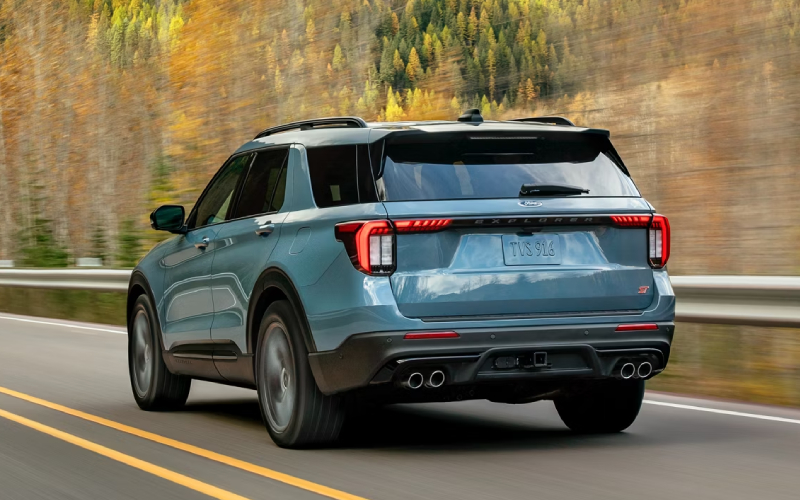
Lake Hartwell Ford – Which three-row SUV gives you true hands-free driving and stronger passing power near Dewy Rose, GA: the 2026 Ford Explorer or 2026 Toyota Highlander?
Among the big questions shoppers ask when cross-shopping these two three-row leaders is simple: which SUV actually delivers hands-free highway capability and the muscle for confident passing with a full cabin? That’s where the matchup takes a decisive turn. One offers available hands-free highway driving on qualified roads plus a performance engine that shrinks merge lanes; the other focuses on traditional driver-assist and efficiency. If you drive hilly routes, juggle quick passing windows on two-lanes, or share weekend miles with family and gear, those differences matter every day.
This guide unpacks where the tech and power advantages really show up—on the highways you use weekly and the rural stretches you count on for safe, quick overtakes. We’ll also map out how towing confidence, ride composure, and everyday usability fit into the picture, so you can make a decision that stands up to real life rather than spec-sheet guesses.
Hands-free capability explained
Hands-free highway driving means the vehicle can steer, accelerate, and brake on selected roads while you keep eyes on the traffic environment. The Ford system—BlueCruise—does exactly that, easing fatigue on long hauls and evening returns, and it works with a driver-facing camera to ensure attentiveness. Toyota’s suite centers on lane centering and adaptive cruise with hands-on operation; helpful, but not the same relaxation and workload reduction many families want on multi-hour trips.
When you spend long stretches on divided highways, hands-free functionality becomes more than a party trick. It reduces micro-corrections and cognitive load, helping the driver arrive fresher. That is particularly helpful after active weekends or when you are cycling through school, work, and errands in a single day.
Passing power and real-world merging
Power is not just a number—it’s about how the SUV responds when lanes narrow, hills rise, or headwinds push back. The Explorer’s available twin-turbo V6 delivers authoritative thrust for short merge ramps and clean, decisive passes. Toyota’s turbocharged four-cylinder is smooth and capable for daily driving, but it does not offer a performance engine upgrade. If you value margin—extra power to finish a pass quickly—the Ford configuration keeps speed in reserve when you need it most.
That reserve becomes a safety and comfort advantage with a full load of passengers or when towing. The Explorer’s rear-drive foundation also helps it stay planted when you roll back onto the throttle mid-corner or combine braking and steering on rolling terrain.
How chassis layout influences confidence
Rear-wheel drive underpinnings bring balance. With more even weight transfer under acceleration and a natural sense of control as speeds rise, the Ford layout feels composed and predictable. Toyota’s front-drive-based platform is efficient and friendly in parking-lot maneuvers, though it cannot match the settled feel at highway pace that rear-drive brings—especially with a trailer or on uneven pavement.
- Highway calm: Hands-free capability on qualified roads reduces driver workload and helps maintain smooth, consistent lane position.
- Decisive acceleration: Available performance powertrains shorten merge and passing events, even with passengers and gear onboard.
- Towing assurance: Balanced chassis dynamics support steadier tracking and more confident throttle application on grades.
In short, the Ford approach blends effortless cruising with power in reserve, so you do not need a long on-ramp or a mile of clear sightline to make a move.
Trailheads, boat ramps, and the weekend factor
Weekend plans often decide which SUV is the better partner. Available trail-focused hardware in the Ford—like a Torsen limited-slip rear axle, off-road tuned suspension with added ride height, and underbody protection—provides meaningful traction and durability when pavement ends. Toyota’s available systems emphasize all-weather traction more than trail hardware, which is fine for most commutes but less tailored to rutted turnarounds or gravel spurs.
At the ramp, balanced chassis dynamics and confident torque delivery pay off. A composed pull-out with a small boat is less about peak ratings and more about how predictably the SUV meters power. The Ford’s setup helps drivers launch with less drama and more control.
Comfort and tech that actually get used
Luxury touches matter on long days. Available massaging front seats, a rich B&O® Sound System by Bang & Olufsen®, a 360-Degree Camera for tight maneuvers, and calm high-speed manners make the Ford feel premium without giving up utility. Toyota’s cabin is comfortable and smartly laid out, and its available panoramic moonroof brightens the space; still, the absence of hands-free highway capability and massage seating leaves some families wanting more on lengthy drives.
A quick decision checklist
- Test a hands-free stretch on your usual highway route to gauge fatigue reduction.
- Replicate a real passing event—moderate speed, uphill grade, full cabin—and note how much pedal you need.
- Back into a tight space using the 360-degree views to compare clarity and guidance.
- Drive a rough secondary road to feel chassis settle and cabin quiet at speed.
Frequently Asked Questions:
Does Toyota offer a hands-free driving system like BlueCruise?
Toyota provides advanced driver-assist features with lane centering and adaptive cruise, but it does not currently offer a true hands-free highway system comparable to Ford BlueCruise.
Will a turbo four-cylinder be enough for my family?
For many daily drives, yes. If you frequently merge in short windows, pass on two-lane roads, or tow on hilly routes, the Ford’s available twin-turbo V6 provides a wider performance envelope with less strain.
How do these SUVs compare for towing small boats?
Both list up to 5,000 pounds when properly equipped. The Ford’s rear-drive layout and torque-rich powertrains help with launch composure and uphill control, especially on uneven or slick ramp surfaces.
Which feels more premium on long trips?
The Ford’s available massaging seats, high-end audio, and hands-free highway capability combine to reduce fatigue and elevate the cabin experience during multi-hour drives.
If you are deciding which configuration best fits your family’s habits, schedule a back-to-back drive. One hands-free highway stint and a single uphill pass usually make the difference clear. Lake Hartwell Ford, serving Elberton, Dewy Rose, and Hull, can map out a route that mirrors your week so you experience the features that matter most.
Ready to feel it for yourself? Bring your typical gear, plan a tow-capability demo if needed, and take notes on how each SUV behaves in the situations you face every month. The right answer should make your life easier on day one and every week after.

