
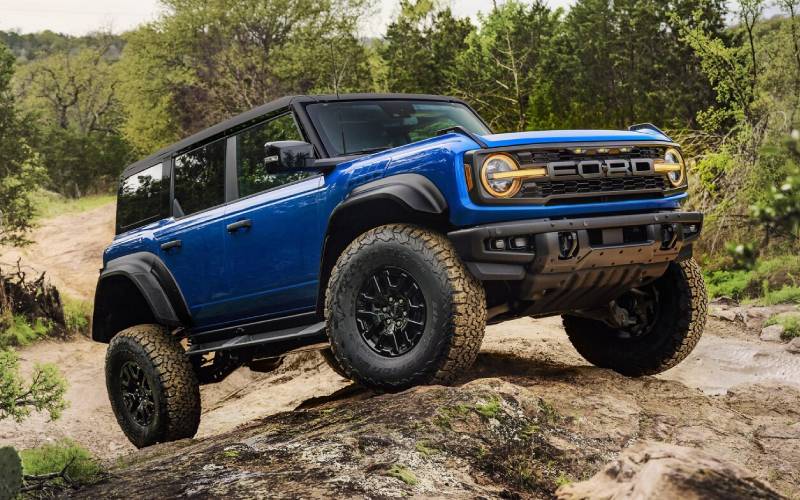
Lake Hartwell Ford – Ramp-Ready Confidence for Lake Life — Ford vs Toyota SUVs and Trucks near Hartwell, GA
Weekend plans around Lake Hartwell often start in the driveway and end at a boat ramp, a campsite, or a trailhead. If you are comparing Ford and Toyota across SUVs and trucks, the ramp is where differences in towing tech, traction, and driver assistance become more than specs — they become confidence. At Lake Hartwell Ford, we help our neighbors from Hartwell, Royston, Lavonia, and Commerce choose the right tool for real local roads and real Georgia weather.
Our angle: choosing a brand for wet ramps, short-to-medium tow runs, and mixed-surface backroads. Both Ford and Toyota build respected lineups that include compact and midsize SUVs, full-size SUVs, and pickups. But when the plan is an early launch from a Lake Hartwell ramp, a quick pull up GA-77, and a detour along a red-clay road to a favorite cove, certain brand traits stand out. Below, we compare Ford and Toyota by capability, control systems, cabin tech, and ownership experience — with a focus on ramp-day realities.
Capability and towing confidence often start with power delivery and how well the vehicle manages the weight behind you. Ford leans into accessible torque with EcoBoost turbocharged engines and available hybrid systems like the F-150 PowerBoost Hybrid, while Toyota emphasizes naturally aspirated and hybrid options across many nameplates. In practice, both brands offer stout towing across body styles, but Ford layers on trailering-specific tools that can make a difference for newer towers and seasoned anglers alike.
- Backing down the ramp: Ford’s available Pro Trailer Backup Assist and Trailer Reverse Guidance help you steer a trailer precisely using on-screen guidance or a simple dial, reducing stress when spectators are waiting at the ramp.
- Hitching and line-of-sight: Ford offers camera views designed for hitch alignment and around-vehicle visibility, while Toyota’s available Panoramic View Monitor also aids low-speed maneuvering — both are helpful, but Ford’s trailer-focused overlays and guidance are especially intuitive for solo hookups.
- Stability with crosswinds: Ford’s Trailer Sway Control and available BLIS with Trailer Coverage monitor adjacent lanes alongside your trailer length, adding reassurance on breezy I-85 stretches; Toyota’s Trailer Sway Control is effective too, but lane-coverage tied to the trailer is a standout Ford advantage.
- Power for short, steep pulls: Ford’s EcoBoost torque shines when pulling up from a wet, inclined ramp; Toyota’s hybrid systems provide smooth, efficient thrust, particularly useful for consistent, moderate loads.
- Powering gear: Select Ford trucks offer Pro Power Onboard to run lights, chargers, or an air pump at the dock or campsite — a flexibility Toyota typically addresses with accessory solutions rather than an integrated generator-style system.
Those systems matter most when conditions are less than ideal. Around Hartwell, an afternoon storm can turn a routine recovery into a slick, steep challenge. That is where traction management and driveline choices come into play.
Traction, drive modes, and surface control are not just off-road features — they make you safer and smoother on rain-soaked ramps and clay shoulders. Ford’s available Intelligent 4WD and selectable drive modes, including Tow/Haul and deep-surface settings via Terrain Management System, help tailor throttle and shifting to your situation. Toyota counters with Multi-Terrain Select and, on select TRD models, Crawl Control that excels on rugged trails.
- Wet-ramp grip: Ford’s selectable drive modes can pre-optimize throttle and transmission behavior for low-speed, high-traction demands; Toyota’s ramp performance is strong too, especially in 4WD with appropriate drive-mode selection.
- Clay, gravel, and boat-lane approaches: Ford’s Terrain Management System in models like Bronco® Sport and available systems in larger SUVs help settle the chassis over mixed surfaces; Toyota’s TRD calibrations are rugged and effective off-pavement, with an off-road heritage many shoppers respect.
- Turnaround on tight access roads: Ford’s camera coverage and steering aids make quick work of tight U-turns with a trailer; Toyota’s similar camera options are helpful, though Ford’s trailer overlays remain a differentiator.
Powertrains and efficiency for local towing should reflect how most Hartwell trips actually run — short to medium hauls with frequent starts and stops. Ford’s EcoBoost engines deliver low-rpm torque that feels confident on hills between Royston and the shoreline. Ford’s hybrid choices, including F-150 PowerBoost Hybrid and Maverick Hybrid, bring strong torque with smooth electric assistance that can make backing a trailer more controlled. Toyota answers with hybrid breadth across many models — from compact SUVs to full-size offerings — translating to impressive efficiency and quiet operation around town. Both brands use regenerative braking in hybrids, helpful for ramp descents and traffic near park entrances.
Cabin tech, maps, and driver assist are the difference between a calm ride and a distracted one when weather and traffic stack up on US-29. Ford’s SYNC 4 infotainment enables fast responses, large displays, wireless Apple CarPlay and Android Auto, and over-the-air updates. Available FordPass Connect makes remote start and vehicle checks easy before a dawn departure. Ford also offers available BlueCruise hands-free driving on compatible highways, a notable benefit for I-85 runs to and from the lake when you want to conserve energy for loading and unloading. Toyota’s Audio Multimedia system with cloud-based navigation, wireless smartphone integration, and over-the-air updates is modern and crisp, with Drive Connect services available on many models. Toyota Safety Sense provides robust active safety features across the lineup; Ford Co-Pilot360 does the same and layers on towing-specific aids noted above.
- Hands-free highway help: Ford’s available BlueCruise supports hands-free driving on pre-qualified sections of highway with driver-monitoring — Toyota emphasizes assisted driving via Toyota Safety Sense that generally requires active steering input.
- Voice and screen speed: Ford’s SYNC 4 and Toyota’s Audio Multimedia are both quick and natural-language friendly; Ford’s interface pairs neatly with trailering views and off-road overlays.
- Nav and ramp arrivals: Both brands support live traffic and clear guidance; Ford’s integration with trailer profiles can help you think one step ahead at crowded ramps.
Interior practicality and comfort between the dock and dinner also matter. Ford cabins in trucks and SUVs tend to emphasize large, easy-to-clean surfaces, configurable storage, and fold-flat or lift-up rear seating that swallows life jackets, tackle boxes, and a cooler. Toyota interiors are thoughtfully designed with durable materials and clever small-item storage, especially in family-oriented SUVs. Ride quality from both brands is road-trip friendly; Ford’s latest trucks and larger SUVs are particularly quiet at highway speeds, which your crew will appreciate heading home from Tugaloo State Park after a long day.
Ownership and support near Hartwell can turn a good vehicle into a great experience. Our team at Lake Hartwell Ford in Royston is minutes from Hartwell and Lavonia, with Saturday service hours to keep you on the water more and in the shop less. We use OEM parts, offer Quick Lane service for routine maintenance, and our factory-trained technicians understand how towing, boat ramp use, and red-clay roads affect maintenance schedules. We also support our Spanish-speaking neighbors — listos para atender a nuestros clientes de habla hispana — so every driver gets clear guidance and friendly service.
To help you decide, here is a simple way to match brand strengths with the Hartwell lifestyle you lead most weekends.
- List your typical tow: Identify what you pull most often — a jon boat, bass boat, small camper, or utility trailer — and confirm the appropriate tow rating with a safe buffer.
- Note your ramps and roads: If you regularly launch on steeper, slicker ramps or hit gravel spurs, prioritize 4WD/AWD and brand-specific traction modes that inspire confidence.
- Decide your tech comfort zone: If you value guided backing and trailer camera overlays, Ford’s trailering suite is a major advantage; if you prefer a simpler setup, both brands deliver clear, reliable basics.
- Consider your commute: For long I-85 stretches, Ford’s available BlueCruise can reduce fatigue; for primarily in-town trips, either brand’s hybrid options deliver quiet, efficient performance.
- Think service access: Our Royston location, Saturday hours, and OEM parts support make ownership straightforward for Hartwell-area drivers who tow often.
Bottom line for ramp-day shoppers: Both Ford and Toyota build vehicles that can serve Lake Hartwell life well. If you prioritize trailer-specific driver assistance, comprehensive camera views, and torque that feels eager on steep ramps, Ford tends to edge ahead — especially across F-Series trucks, Expedition, Explorer, and adventurous models like Bronco® Sport. If your focus is maximum hybrid availability and a lean, efficient daily routine with occasional towing, Toyota remains a smart contender. The right choice hinges on your ramp habits, tow weight, and comfort with advanced trailering tech.
Frequently Asked Questions:
Which Ford models are best suited to tow a typical Lake Hartwell fishing boat?
For many bass boats and aluminum fishing rigs, a properly equipped Ford Ranger, F-150, Explorer, or Expedition can be an excellent fit. We will help you match engine, axle ratio, hitch equipment, and brake controller to your specific boat and trailer.
Do I need 4WD or AWD to launch at Hartwell’s ramps?
While 2WD can work on some gentle, dry ramps, 4WD or AWD adds useful traction on wet or algae-slick surfaces and when the approach includes gravel or clay. Selectable drive modes in Ford SUVs and trucks can further optimize low-speed control on the ramp.
Can BlueCruise be used on the drive from Hartwell to Royston or down I-85?
BlueCruise is available on select Ford models and works on pre-qualified sections of divided highways. Many stretches of I-85 are supported, which can reduce fatigue on weekend drives. We will verify coverage and compatible vehicles for your routes.
How does Toyota’s towing assistance compare with Ford’s?
Toyota offers helpful features like Trailer Sway Control, camera systems, and on certain models, technologies that assist with backing. Ford’s suite goes further with Pro Trailer Backup Assist, Trailer Reverse Guidance, and BLIS with Trailer Coverage that monitors alongside your trailer length.
Can Lake Hartwell Ford install OEM accessories for towing and ramp days?
Yes. Our Parts and Service teams can source and install OEM hitches, wiring, brake controllers, all-weather floor liners, bed protection, tie-downs, and more. We use factory-approved parts and methods to support safe, confident towing.
Ready to compare Ford and Toyota the way you will actually use them — on Hartwell’s ramps, in sudden summer downpours, and on familiar two-lane routes? Visit us at 1435 E. Main Street in Royston, call our Sales team at (706) 249-4190, or schedule a test drive online. We will help you back down the ramp with confidence and head home with a smile, weekend after weekend.

